

In the past few days, Elon Musk has used his social media platform to scorch the earth, advocating for a government shutdown. Musk posted over 100 times about why he believes a shutdown is necessary. This blog will explore how such actions align with Musk’s broader agenda and the potential implications for government operations.
A Blast from the Past: The 2018 Shutdown
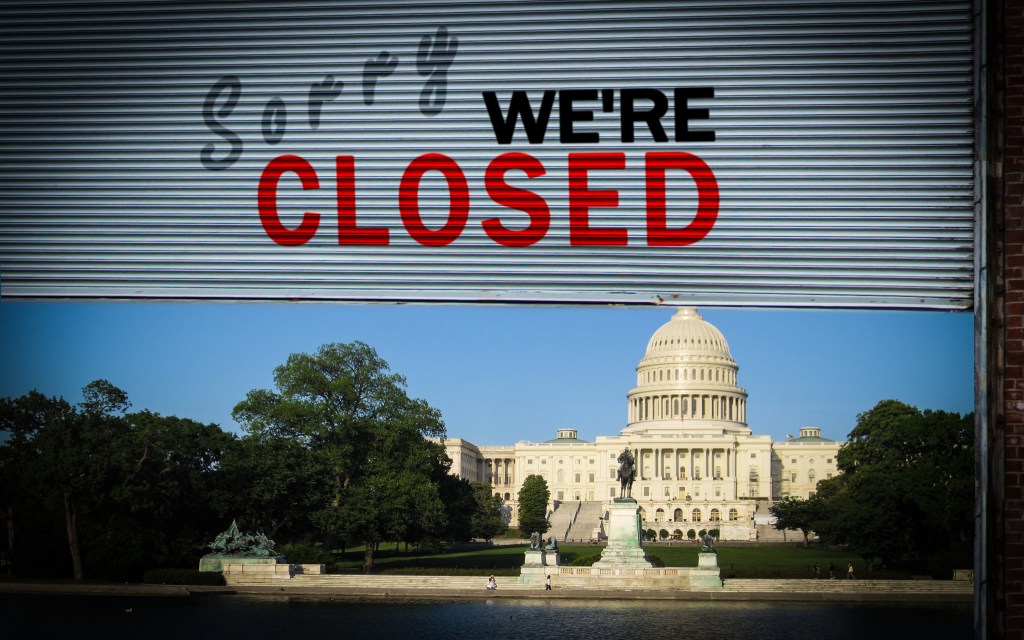
Looking back at the last government shutdown on December 22, 2018, we see a clear example of how political standoffs can lead to significant disruptions. The government shut down because the spending bill excluded the $5.7 billion Trump requested for his border wall, forcing over 800,000 federal employees to work without pay or face furloughs.
On January 8, 2019, Trump addressed the nation, warning that if funding weren’t approved, he would declare a national emergency to bypass Congress and divert funds for the wall. This situation highlights the high stakes and dramatic measures that can arise from government shutdowns.
It took until February 15, 2019, to reach a agreement , which was $1.375 billion for 55 miles of new border fencing. As a result, Trump declared a national emergency and took $3.5 billion from the Defense Department’s military construction, $2.5 billion from the Defense Department’s drug interdiction program, and $600 million from the Treasury Department’s drug forfeiture fund. In total, Trump got almost $8 billion for the wall, which never came to fruition.
Let’s look at what a few shutdowns have cost Americans
The last government shutdown cost American taxpayers more than $86 million a day in back pay alone. The Congressional Budget Office (CBO) estimated that the 2018-2019 shutdown cost the United States $11 billion. During the 2013 shutdown, the CBO concluded that it reduced GDP growth by $20 billion.
The most striking conclusion from these shutdowns wasn’t the financial loss alone. The CBO found that the federal government had lost just under 57,000 years of productivity due to furloughed workers.
Additionally, we must consider the risk to the United States’ credit ratings by Fitch (a global financial information services company). In the past, Fitch downgraded U.S. treasuries because of the debt limit crisis, and government shutdowns provided more reasons for concern about the United States’ ability to manage its debts. Shutdowns cost Americans money, productivity, and trust.
The Cost of a Shutdown: Dollars and Sense
If the government shuts down on Friday night and remains closed until Trump takes office, the lost GDP could easily be in the $11 billion to $20 billion range. However, with worldwide inflation and a potential tariff war, these estimates could be grossly underestimated.
When it comes to productivity, the picture gets more interesting. Enter Musk and D.O.G.E. Musk’s most significant responsibility is government reform, which involves substantial cuts. We can look at the Twitter example to understand Musk’s approach—he doesn’t use a scalpel; he uses a sledgehammer.
Musk purchased Twitter on Oct 28, 2022. By April, he had reduced the workforce by 80%. When asked why, Musk responded, “A lot of people doing things that didn’t seem to have a lot of value.” He later stated: “Twitter was in a situation where you’d have a meeting of 10 people and one person with an accelerator and nine with a set of brakes, so you didn’t go very far.”
My two big questions for you are:
- If he thought that of Twitter employees, what would be his thoughts on government employees?
- If you had to cut your workforce, who would be the most expendable. The ones that you still need to operate the government during a shutdown or the furloughed?

I am not saying that being furloughed would be grounds for termination, but through Musk’s lens, you would have a starting point to mark for excavation. A government shutdown would give D.O.G.E. a good point to start hammering away at.
Trust will be very different with a 2024 government shutdown. This time, the American people will experience broken trust. For better or worse, Trump was elected president because of the price of “groceries.” Unfortunately, most Americans have a what’s-in-it-for-me mentality. As bloated as government spending might seem, many levers are in place to keep the system from breaking. A government shutdown under D.O.G.E. would undoubtedly hurt the system.
One of the most significant factors in this government shutdown is the Trump Administration’s desire for the Biden Administration to erase the debt ceiling. The government established the debt ceiling to prevent continuous borrowing without checks and balances. The administration that raises the debt ceiling will ultimately be responsible for future financial disasters.
Erasing the debt ceiling would make creating tax cuts for the wealthy easier. The rich would no longer be required to pay their fair share of taxes, causing their wealth to increase. Consequently, Congress would need to borrow more money, but without more in taxes, you would have to pay the debt back from other sources. The government will eventually start hammering away at entitlement programs such as Social Security, Medicare, Medicaid, most Veterans’ Administration programs, federal employee and military retirement plans, unemployment compensation, food stamps, and agricultural price support programs.

As you can see, this approach isn’t by accident; it’s by design. Understand that this is not a coup or an insurrection. We are not entering the “Fuck Around and Find Out” stage. You are witnessing a Hostile Takeover. Understand that I am not here to stir up controversy; I observe and state the facts. Know that I am a Free Agent with observational and analytical skills in this game.
Take Action: Your Voice Matters
We’ve seen the cost of government shutdowns—money lost, productivity down the drain, and a hit to the trust we place in our leaders. Now more than ever, it’s crucial to stay informed and engaged. Here’s how you can make a difference:
-Stay Informed: Read the latest news and understand the issues at stake.
–Raise Your Voice: Contact your representatives. Let them know your thoughts on government spending, debt ceilings, and the impact of shutdowns.
– Get Involved: Participate in local community discussions and town hall meetings. Your voice can influence the conversation.
– Support Transparency: Advocate for transparency and accountability in government actions. Knowledge is power, and an informed public is a powerful force for change.
Let’s not stand idly by while decisions are made that affect our lives and our future. Together, we can drive the change we want to see.

 Something About Change
Leave a comment